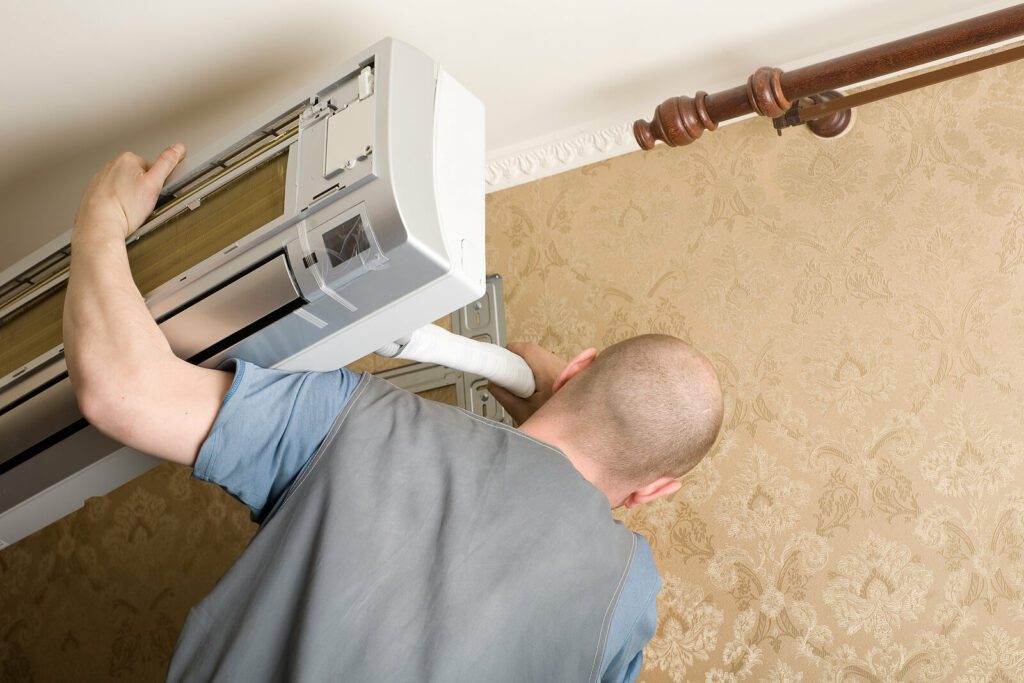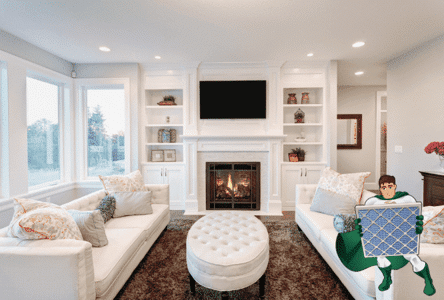
A 5,000 BTU Air Conditioner is the smallest you can find, best suited for rooms that are less than 250 square feet. Ideally, the room you place it in should be around 150 to 200 square feet.
You’ll therefore most benefit from a 5,000 BTU air conditioner in a room that is 10×10, 12×12, or 14×14 feet in size. Thus, it’s generally suited for a single living room or bedroom.
These small air conditioners are typically window units. In general, the window frame should be 23 to 36 inches with 14.5 inches of height to fit the AC unit. While determining the right BTU rating can be a challenge, the U.S. Environmental Protection Agency suggests using 20 BTU per square foot, which equates to 5,000 BTU for a 250 square foot room.
The Importance of Placing the Right Unit
Like with any HVAC component, using an improperly sized unit won’t get the results you hoped for. Even a 5,000 BTU air conditioner will be inefficient if the room is too small.
The AC will cool the room to quickly and won’t reduce humidity. It will also cycle on and off too frequently. Efficiency issues will also result from installing it in a larger room than it’s designed for. Even if it’s just 5,000 BTUs, the AC may not cool that room and use more energy because it will run longer.
How to Calculate AC Size
Assuming the 20 BTU per square foot rule mentioned earlier, you’ll need to calculate the size of the room in square feet. To do so, measure the length and then the wide of the room, in feet. Multiply the values you get and then multiply the result by 20.
Room Length x Room Width = Room Size
Room Size x 20 = Room in Square Feet
But the right BTU size isn’t only determined by area. The type of room matters too. A kitchen is an example of a room that would require greater AC power for its size, because it’s usually hotter and more humid than other rooms.
Here’s a look at some other factors to determine where to place your AC:
- Sunlight: Adds warmth to a room, especially when you have larger windows and doorways. For rooms with more sunlight, add 10% to your BTU sizing needs. Or, reduce it by 10% if you have smaller windows and doorways, and thus less sunlight.
- Occupants: The standard AC sizing calculation factors in a room with a maximum of two people. Increase the BTU measurement by 20% for every extra person that regularly uses the room.
- Ceiling Height: Standard calculations factor in an eight-foot ceiling height. But a higher ceiling increases room volume; if, for example, you have a 10-foot ceiling, add 10% to the BTU count for the right amount of air conditioning.
Climate is an additional deciding factor. If your location is typically hot and humid, you’ll need more cooling power, and thus about 10% more BTUs. If any of the factors above apply, you may need to rethink whether a 5,000 BTU system is enough.
Other Considerations for a 5,000 BTU Air Conditioner
When selecting and installing a small air conditioner, here are some other aspects you want to consider:
- Efficiency: The average 5,000 BTU air conditioner has an Energy Efficiency Ratio (EER) of 9.5, meaning it requires roughly 520 W to produce 5,000 BTUs. Higher efficiency units have a 10+ EER rating (although the minimum EER is 11.1, so you’ll most likely do better than that).
- Noise: Generally, a smaller AC can be noisier than a larger model. The compressor is built into a small casing, which can bring the noise level to 60 decibels (dB) or more. Quiet window ACs will generate less noise than this but none go below 55 dB.
Call Black Hills Inc. Home Services for AC Installation
Our HVAC technicians in the Olympia area can help with choosing a 5,000 BTU air conditioner for any appropriately sized room. We have many high-quality options that are reliable and efficient.
Devoted to helping customers make informed decisions, we also offer straightforward pricing, 24/7 service, and comprehensive maintenance plans.
Schedule Online(360) 822-9659Most homeowners spend very little time thinking about the attic.
That space above the ceiling plays a major role in how a home handles heat, moisture, and airflow throughout the year. Without proper attic ventilation, heat and humidity become trapped where they do not belong.
In Pierce County, damp winters and mild summers create conditions where moisture buildup can become a problem long before homeowners realize it is happening.
Attic ventilation helps move excess heat and moisture out of the attic, protecting the home and reducing strain on heating and cooling equipment.
Schedule Online(360) 822-9659What Is Attic Ventilation?
Attic ventilation is the process of moving air through the attic space.
A properly designed system allows outside air to enter through intake vents and exit through exhaust vents. That airflow helps prevent heat and moisture from becoming trapped.
The goal is simple: keep the attic closer to outdoor conditions instead of allowing excess heat and humidity to build up.
Home attic ventilation works year-round, not just during summer.
Why Attic Ventilation Matters
During warmer weather, trapped heat can raise attic temperatures significantly. That heat transfers into the living space below and increases the workload on the cooling system.
During winter, moisture from daily activities such as cooking, bathing, and laundry can rise into the attic. Without proper airflow, that moisture collects on wood, insulation, and roofing materials.
Proper attic ventilation helps:
- Reduce strain on heating and cooling equipment
- Lower energy consumption
- Limit moisture buildup
- Reduce mold and mildew growth
- Protect roofing materials
- Reduce the risk of ice dams during freezing weather
Even in Western Washington, periods of freezing weather can create conditions that contribute to ice dam formation.
What Problems Are Caused by Poor Ventilation?
Poor airflow creates conditions that allow heat and moisture to accumulate.
That buildup can lead to:
- Excess attic heat
- Condensation
- Damp insulation
- Mold growth
- Wood deterioration
- Roof damage
- Reduced insulation performance
Wet insulation loses effectiveness. Moisture trapped against wood framing increases the likelihood of decay.
Over time, those conditions can affect multiple parts of the home rather than remaining limited to the attic.
How Does Attic Ventilation Improve Your Home?
Moving stale, humid air out of the attic helps maintain a healthier environment throughout the structure.
Ventilation helps remove moisture before it collects on framing, insulation, and roof decking.
It also allows excess heat to escape instead of accumulating beneath the roof.
These benefits support:
- Better attic conditions
- Improved insulation performance
- Reduced moisture problems
- Longer roof life
- More consistent indoor temperatures
For homeowners evaluating overall heating and cooling performance, Black Hills provides HVAC services throughout the Puget Sound region.
What Are Signs of Poor Attic Ventilation?
Many ventilation problems go unnoticed because the attic is rarely inspected.
Signs worth investigating include:
- Excessive attic heat
- Condensation on attic surfaces
- Damp or compressed insulation
- Visible mold growth
- Ice dams during winter
- Roof deterioration
- Persistent moisture issues
An attic inspection can help determine if ventilation improvements are needed.
Schedule service with Black Hills if you suspect heat or moisture buildup is affecting your attic.
Schedule Online(360) 822-9659Power outages are part of life in the Puget Sound region. Windstorms, falling trees, flooding, and winter weather A change in performance is one of the first signs something is wrong with your AC.
The airflow may get weaker. The system may start making noises it never made before. The house may feel warmer even though the thermostat setting has not changed.
Recognizing signs your air conditioner needs repair early can help prevent a small issue from turning into a complete breakdown during the hottest part of summer.
Schedule Online(360) 822-9659Weak or No Airflow
Weak airflow is one of the most common AC complaints.
If air is barely coming through the vents, the system may be struggling to move cooled air through the house.
Common causes include:
- Dirty air filters
- Blocked ductwork
- Blower motor problems
- Frozen evaporator coils
A clogged filter is often the first thing to check. If replacing the filter does not improve airflow, a larger problem is restricting the system.
Warm Air From the Vents
Air coming from the vents should feel noticeably cooler than the air inside the house.
If the system is running but the air feels warm, several issues could be responsible.
Common causes include:
- Refrigerant leaks
- Compressor problems
- Thermostat malfunctions
- Electrical failures
Warm air can be frustrating because the system appears to be working while the house continues getting warmer.
This is a good time to schedule professional air conditioner repair before the problem gets worse.
Loud Sounds
Every AC system makes some noise while operating.
Grinding, banging, screeching, rattling, or metal-on-metal sounds are different.
Loose parts, worn bearings, failing motors, and damaged components can all create unusual noises.
A new sound is often a sign that a component is wearing out or has already failed.
Ignoring the noise allows additional damage to occur.
Bad Smells
Air conditioners should not create strong odors.
A musty smell can point to moisture issues inside the system. A burning odor may indicate an electrical problem.
Any smell that continues after the system starts deserves attention.
Electrical odors should be taken seriously because wiring problems and failing components can create safety concerns.
Constantly Turning On and Off
Short cycling occurs when the system starts and stops repeatedly without completing a normal cooling cycle.
Your house will never reach the thermostat setting because the AC shuts down too quickly.
Common causes include:
- Dirty filters
- Refrigerant leaks
- Thermostat problems
- Incorrect system sizing
Short cycling increases wear on your equipment because major components are starting and stopping more frequently than intended.
Increasing Energy Bills
A sudden increase in energy use can point to an air conditioning problem.
The AC may still cool the house, but it is working harder to do it.
Common causes include:
- Refrigerant leaks
- Dirty coils
- Dirty air filters
- Aging equipment
- Failing components
If cooling costs rise without a major change in weather, your system deserves a closer look.
Contact Black Hills for AC Repairs
Weak airflow, warm air, strange noises, bad smells, short cycling, and rising utility bills are all signs your air conditioner needs repair.
Addressing these issues early can help prevent larger problems and reduce the chance of a complete breakdown during summer.
If the system stops cooling altogether, Black Hills offers emergency AC repair when immediate service is needed.
Contact us today if your AC is showing signs of trouble.
Schedule Online(360) 822-9659Power outages are part of life in the Puget Sound region. Windstorms, falling trees, flooding, and winter weather can leave homes without electricity for hours or even days.
If you're considering a new generator, understanding the installation process can help you prepare for the project and know what to expect once work begins.
A professional home generator installation involves planning, permitting, electrical work, fuel connections, testing, and final inspections before the system is ready to operate.
Contact us for service
Why Should You Consider a Home Generator?
A standby generator automatically restores power when utility service goes down.
Many homeowners install backup power systems to keep essential equipment running during outages. Refrigerators stay running, sump pumps continue working, and critical appliances remain available when utility power is unavailable.
A generator can help protect the home itself. Power outages during freezing weather can increase the risk of frozen pipes. Homes with well systems can lose access to running water when electricity is unavailable.
Homeowners choose backup power for peace of mind. Knowing the lights, heating system, and other essential equipment can continue operating removes much of the uncertainty that comes with extended outages.
If you are exploring backup power options, learn more about whole home generators and the systems available for your home.
How Long Does Home Generator Installation Take?
Most residential generator installations take one to two days once permits, equipment, and site preparation are complete.
The timeline can vary depending on:
- Electrical upgrades
- Fuel source requirements
- Permit approvals
- Generator size
- Site accessibility
The consultation and planning phase takes longer than the physical installation itself.
Initial Consultation
Every whole-home generator installation process starts with evaluating the home's power needs.
Some homeowners want backup power for a few essential circuits. Others want coverage for the entire house.
During the consultation, technicians determine:
- How much power the home requires
- What size generator is needed
- Where the generator should be located
- Fuel source requirements
- Local permit and code requirements
Generator placement is important. The unit must meet clearance requirements while remaining accessible for maintenance and service.
Throughout King County and the greater Puget Sound region, installations must comply with local building and electrical codes before work can begin.
During Installation
The first step is preparing the location where the generator will sit.
A stable generator pad is installed to support the equipment and help protect it from shifting or settling over time.
Once the pad is ready, the generator is delivered and positioned.
The installation team then completes:
- Electrical connections
- Transfer switch installation
- Fuel line connections
- System wiring
- Safety checks
The transfer switch is what allows the generator to automatically take over when utility power is lost.
Natural gas is the most common fuel source for standby generators in many King County communities, although some systems operate on propane.
After Installation
Once installation is complete, the system must be tested.
Technicians verify that the generator starts correctly, transfers power properly and responds during a simulated outage.
The homeowner is shown how the system operates and what maintenance requirements to expect.
Like any mechanical equipment, generators require routine service to remain dependable. Regular inspections help identify worn components, battery issues, fluid concerns, and other maintenance items before they affect operation.
Benefits of Professional Home Generator Installation
A standby generator is connected directly to the home's electrical system and fuel supply. Proper installation is critical.
Professional installation helps ensure:
- Safe electrical connections
- Correct generator sizing
- Code compliance
- Proper fuel connections
- Operation during outages
The whole home generator installation process involves multiple systems working together. Proper planning and installation help reduce the likelihood of future problems while ensuring the generator is ready when needed.
For homeowners considering backup power, professional home generator installation helps ensure the system is sized correctly and installed safely from the start.
Contact Black Hills for Generator Installation
A standby generator can provide backup power during storms, outages, and other unexpected interruptions.
Black Hills serves homeowners throughout King County, Pierce County, and the greater Puget Sound region.
Contact us to schedule a consultation and learn more about generator options for your home.
Schedule Online(360) 822-9659Black Hills is proud to be a sponsor of the upcoming 5th Annual Celebrity Softball Game on Saturday, July 11, 2026. The event will take place at Cheney Stadium in Tacoma.
The team at Black Hills is proud to be a part of this community event. The softball game will be a mix of sports, culture and our amazing community.
Join us and support our local residents! We look forward to meeting you and getting to know our neighbors.
Get tickets today!Dust does not just collect on shelves and floors. It also builds up inside duct systems where air moves through Power outages around the Puget Sound do not always last long, but even short interruptions can create big problems. Refrigerators shut off, sump pumps stop running, medical equipment loses power, and homes relying on well water suddenly lose access to water completely.
For homeowners across Pierce County and King County, backup power has become more important during heavy storms, wind events, and outages affecting neighborhoods connected by I-5 and Highway 101.
What is a standby generator? It is a permanently installed backup power system designed to turn on automatically when utility power fails. Unlike portable generators, standby systems connect directly to the home’s electrical system and begin supplying electricity without extension cords or manual startup.
Contact us for service
What Is a Standby Generator?
A standby generator is a permanently installed system that provides automatic backup power during an outage.
The system sits outside the home similarly to an AC unit and connects directly to the electrical panel through an automatic transfer switch. When utility power shuts off, the generator detects the interruption and starts automatically within seconds.
Unlike portable generators, standby systems do not require homeowners to move equipment outside, refill gasoline repeatedly, or run extension cords through the house.
Most standby systems use:
- Natural gas
- Propane
Because the fuel supply stays connected directly to the generator, the system continues operating as long as fuel remains available.
Many homeowners choose whole house generators because they provide backup power to major appliances, heating systems, refrigeration equipment, lighting, and other critical parts of the home automatically.
How Does a Whole Home Generator Work?
The generator system constantly monitors incoming utility power.
When the system detects an outage, the automatic transfer switch disconnects the home from the electrical grid and redirects power from the generator instead.
The process usually works in this order:
- Utility power fails
- The transfer switch detects the outage
- The generator starts automatically
- Electricity is redirected into the home
- Essential systems continue operating
- The generator shuts down after utility power returns
Generator for blackout protection helps homeowners avoid major interruptions during storms, power grid failures, or regional outages affecting western Washington communities.
Homes south of Joint Base Lewis-McChord and more rural areas throughout the Puget Sound often rely heavily on backup power because outages sometimes last longer outside dense urban areas.
Benefits of Standby Generators
During an outage, a standby generator keeps essential systems running instead of leaving the house completely without power.
Benefits often include:
- Dependable backup electricity during storms
- Protection for refrigerated food
- Continued operation of medical equipment
- Heating system operation during winter outages
- Protection against sump pump failures
- Improved home security and lighting
- Reduced disruption during long outages
For homes using well water systems, standby generators also help maintain water access during outages that disable electric pumps.
Whole house generators may also help reduce stress during severe weather because homeowners do not have to scramble for portable generators, fuel supplies, or temporary extension cord setups once power goes down.
Why Backup Power Matters in Western Washington
Western Washington weather creates different power concerns than hotter parts of the country. Windstorms, saturated ground, falling branches, and winter weather all contribute to outages across the Puget Sound region.
Many homes throughout Pierce County and King County rely heavily on electric heating systems during colder months. Losing power during freezing weather creates additional concerns involving pipes, indoor temperatures, and water systems.
Power outages also affect rural properties differently, especially homes with private wells or limited nearby infrastructure.
New generator installation projects have become more common as homeowners look for long-term backup power instead of temporary emergency solutions.
When Should You Consider a Standby Generator?
Some homeowners install generators after experiencing repeated outages. Others plan ahead before backup power becomes necessary.
Standby systems are often worth considering if:
- Power outages happen frequently
- The home relies on medical equipment
- The property uses a private well
- Sump pumps protect the basement or crawl space
- Winter outages create pipe freezing concerns
- Long outages disrupt work-from-home schedules
A properly sized standby generator helps keep critical systems operating safely while utility crews restore power to the area.
Schedule Generator Service with Black Hills
Backup power systems help homeowners stay prepared during outages that interrupt normal life across western Washington.
Black Hills installs and services standby generators for homeowners throughout the Greater Puget Sound region.
Contact us for service and schedule your generator consultation today.
Schedule Online(360) 822-9659Dust does not just collect on shelves and floors. It also builds up inside duct systems where air moves through the house every day. Over time, that buildup can affect airflow, contribute to odors, and circulate particles through the home whenever the HVAC system runs.
In King County homes, damp weather, long heating seasons, pets, and construction growth throughout the Seattle metro all contribute to debris collecting inside ductwork. Understanding what air duct cleaning is helps homeowners know when buildup inside the system starts affecting comfort and air quality.
Black Hills provides air duct cleaning services for homeowners across the Greater Puget Sound region, including communities throughout King County connected by I-5 and surrounding highway corridors.
Contact us for service
What Is Air Duct Cleaning?
Air duct cleaning removes dust, debris, and buildup from the HVAC duct system and related components that move air throughout the home.
Professional cleaning often includes:
- Intake and return air ducts
- Supply vents and registers
- Grilles and diffusers
- Air handler components
- Blower assemblies
- Evaporator coils
- Heat exchangers
As debris builds inside the duct system, airflow can become restricted, and dust continues circulating through living spaces. Homes with pets, recent remodeling projects, smokers, or older duct systems often collect buildup faster than newer homes.
Professional air duct cleaning equipment uses specialized vacuums, agitation tools, and containment methods designed to remove buildup without spreading debris through the house.
How Are Air Ducts in Attics Cleaned?
Many homes throughout King County have duct systems routed through attics or crawl spaces where access becomes more difficult.
Technicians inspect the duct layout first and use protective equipment to move safely through tight attic spaces. Cleaning tools are then used to loosen dust and debris while vacuum systems collect the material before it spreads into the living space.
If contamination from moisture, pests, or damaged insulation is found, additional cleaning and remediation steps may also be necessary.
Older homes throughout areas like Kent, Auburn, and Federal Way often have aging duct systems where years of buildup collect in sections homeowners rarely see.
Why Air Duct Cleaning Is Important
Dirty duct systems affect more than just airflow.
Cleaning the system regularly improves indoor air quality by reducing the amount of dust, debris, and airborne particles circulating through the home.
Other benefits include:
- Reduced allergens and airborne dust
- Less buildup around vents and registers
- Improved airflow consistency
- Reduced musty odors
- Lower strain on HVAC equipment
- Cleaner circulation throughout the home
When airflow improves, heating systems and cooling equipment do not have to work as hard to move air through clogged sections of ductwork.
Air duct cleaning also helps improve indoor air quality in homes where dust buildup, pet dander, or construction debris continue circulating through the HVAC system.
Signs You Need Air Duct Cleaning
Several signs may point to build up inside the duct system.
Common warning signs include:
- Dust collecting around vents
- Musty odors during HVAC operation
- Uneven airflow between rooms
- Allergy symptoms indoors
- Excess dust shortly after cleaning
- Pets or smokers inside the home
- Recent remodeling or construction work
Duct cleaning services are often recommended when homeowners continue dealing with airflow problems or noticeable dust buildup despite changing filters regularly.
How Often Should Air Ducts Be Cleaned?
How often should air ducts be cleaned depends on the home, the HVAC system, and indoor conditions.
Most homes benefit from cleaning every three to five years. Homes with pets, smokers, allergies, recent renovations, or heavy dust buildups may need service more frequently.
King County homes also deal with long heating seasons and damp outdoor conditions that contribute to debris buildup inside duct systems over time.
Routine HVAC maintenance and filter replacement still matter, but those steps do not fully remove debris already sitting inside the ductwork.
Schedule Air Duct Cleaning with Black Hills
Dust, debris, and airflow restrictions inside duct systems continue accumulating long after they become visible around vents.
Black Hills provides professional duct cleaning and HVAC airflow inspections for homeowners throughout King County and the Greater Puget Sound region.
Contact us for service and schedule your duct inspection today.
Schedule Online(360) 822-9659In Pierce County, a lot of AC problems show up during the first real stretch of warm weather. The system sat mostly unused through western Washington’s long wet season. Then suddenly it had to run day after day once temperatures climb across Tacoma, Puyallup, Lakewood, and surrounding areas.
Some issues are simple. Others point to parts failing inside the system. Troubleshooting air conditioner problems starts with identifying the symptoms correctly before small problems turn into larger repairs.
Black Hills handles cooling issues for homeowners across the Greater Puget Sound region, including homes throughout Pierce County connected by I-5 and Highway 101.
Contact us for service
AC Not Cooling
An AC system that runs without cooling properly is one of the most common summer service calls.
Common causes include:
- Dirty air filters restricting airflow
- Low refrigerant levels
- Clogged outdoor condenser coils
- Thermostat problems
- Blocked return vents
A dirty filter limits airflow across the indoor coil, which can reduce cooling performance throughout the house. Outdoor units also collect pollen, dirt, and debris during spring and summer, especially in homes near wooded areas around Pierce County.
Homeowners can start by replacing the air filter and clearing debris around the outdoor unit. If airflow still feels weak or the system continues blowing warm air, professional inspection becomes necessary.
AC repair services are often needed when refrigerant levels drop or internal components stop operating correctly.
AC Won't Turn On
When an AC unit not working problem starts completely out of nowhere, electrical issues are usually one of the first things technicians check.
Common causes include:
- Tripped breakers
- Faulty thermostats
- Blown fuses
- Loose electrical connections
- Condensate safety switch shutdowns
Start by checking the thermostat settings and replacing batteries if needed. Resetting the breaker may also restore operation if the system tripped during a power fluctuation.
If the system still will not start, electrical components inside the equipment may need professional testing and repair.
Power outages and electrical interruptions are also more common in rural communities south of Joint Base Lewis-McChord, especially during heavy storms.
AC Making Loud Noises
An AC making loud noise usually points to mechanical problems developing inside the system.
Common sounds include:
- Rattling from loose components
- Buzzing from electrical issues
- Grinding from failing motors
- Banging from damaged blower parts
- Whistling caused by airflow restrictions
Debris around the outdoor unit should always be removed first because sticks, leaves, and loose material sometimes create noise around the fan area.
Persistent noises coming from inside the cabinet usually require professional diagnosis because moving parts continue wearing down while the system runs.
Air Conditioner Leaking Water
Water around the indoor unit often points to drainage problems inside the system.
Common causes include:
- Clogged condensate drain lines
- Frozen evaporator coils
- Dirty air filters
- Drain pan problems
If the evaporator coil freezes, melting ice can overflow the drain system and leak around the unit.
Homeowners can shut the system off temporarily and replace the filter to help airflow return to normal. If leaking continues after the coil thaws, additional repair work is needed.
Water leaking around HVAC systems can also damage flooring and drywall if moisture continues spreading unnoticed.
Importance of Regular AC Maintenance
Many common cooling problems start developing long before the system stops working completely.
The importance of AC maintenance comes down to identifying wear early while the system is still operating normally. Routine maintenance helps technicians catch airflow restrictions, electrical wear, refrigerant issues, and drainage problems before breakdowns happen during warmer weather.
Regular inspections also help:
- Improve cooling performance
- Reduce system strain
- Support warranty requirements
- Extend equipment life
- Lower the risk of mid-season breakdowns
In western Washington, many cooling systems sit idle for long periods before summer temperatures arrive. Seasonal inspections help confirm the equipment is ready before hotter weather puts the system under heavier demand.
Schedule AC Service with Black Hills
Some air conditioner problems can be handled with simple troubleshooting. Others involve electrical components, refrigerant systems, motors, or airflow restrictions that need professional repair.
Black Hills provides AC repair and maintenance services for homeowners across Pierce County and the Greater Puget Sound region.
Contact us for service and schedule your AC inspection today.
Schedule Online(360) 822-9659At Black Hills, we are proud to give back to our local community. May is Electrical Safety Month. We are celebrating by providing snack baskets to three local fire departments. We want to thank all of our local firefighters for being first responders and local heroes.