





Blog
What Is a Standby Generator and How Does It Work?

Dust does not just collect on shelves and floors. It also builds up inside duct systems where air moves through Power outages around the Puget Sound do not always last long, but even short interruptions can create big problems. Refrigerators shut off, sump pumps stop running, medical equipment loses power, and homes relying on well water suddenly lose access to water completely.
For homeowners across Pierce County and King County, backup power has become more important during heavy storms, wind events, and outages affecting neighborhoods connected by I-5 and Highway 101.
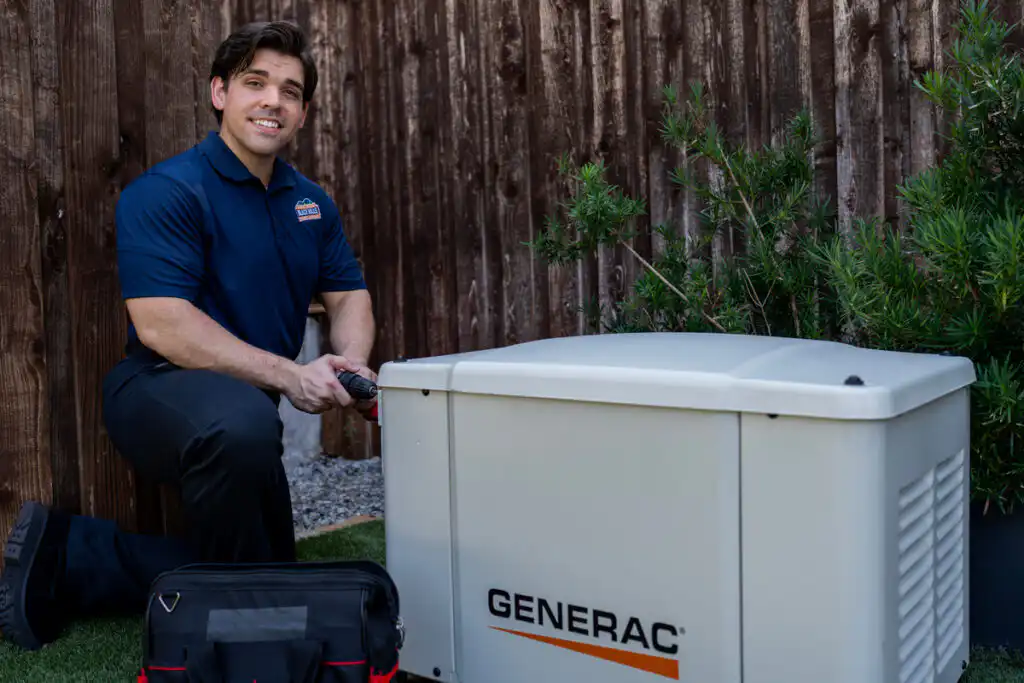
What is a standby generator? It is a permanently installed backup power system designed to turn on automatically when utility power fails. Unlike portable generators, standby systems connect directly to the home’s electrical system and begin supplying electricity without extension cords or manual startup.
Contact us for service
What Is a Standby Generator?
A standby generator is a permanently installed system that provides automatic backup power during an outage.
The system sits outside the home similarly to an AC unit and connects directly to the electrical panel through an automatic transfer switch. When utility power shuts off, the generator detects the interruption and starts automatically within seconds.
Unlike portable generators, standby systems do not require homeowners to move equipment outside, refill gasoline repeatedly, or run extension cords through the house.
Most standby systems use:
- Natural gas
- Propane
Because the fuel supply stays connected directly to the generator, the system continues operating as long as fuel remains available.
Many homeowners choose whole house generators because they provide backup power to major appliances, heating systems, refrigeration equipment, lighting, and other critical parts of the home automatically.
How Does a Whole Home Generator Work?
The generator system constantly monitors incoming utility power.
When the system detects an outage, the automatic transfer switch disconnects the home from the electrical grid and redirects power from the generator instead.
The process usually works in this order:
- Utility power fails
- The transfer switch detects the outage
- The generator starts automatically
- Electricity is redirected into the home
- Essential systems continue operating
- The generator shuts down after utility power returns
Generator for blackout protection helps homeowners avoid major interruptions during storms, power grid failures, or regional outages affecting western Washington communities.
Homes south of Joint Base Lewis-McChord and more rural areas throughout the Puget Sound often rely heavily on backup power because outages sometimes last longer outside dense urban areas.
Benefits of Standby Generators
During an outage, a standby generator keeps essential systems running instead of leaving the house completely without power.
Benefits often include:
- Dependable backup electricity during storms
- Protection for refrigerated food
- Continued operation of medical equipment
- Heating system operation during winter outages
- Protection against sump pump failures
- Improved home security and lighting
- Reduced disruption during long outages
For homes using well water systems, standby generators also help maintain water access during outages that disable electric pumps.
Whole house generators may also help reduce stress during severe weather because homeowners do not have to scramble for portable generators, fuel supplies, or temporary extension cord setups once power goes down.
Why Backup Power Matters in Western Washington
Western Washington weather creates different power concerns than hotter parts of the country. Windstorms, saturated ground, falling branches, and winter weather all contribute to outages across the Puget Sound region.
Many homes throughout Pierce County and King County rely heavily on electric heating systems during colder months. Losing power during freezing weather creates additional concerns involving pipes, indoor temperatures, and water systems.
Power outages also affect rural properties differently, especially homes with private wells or limited nearby infrastructure.
New generator installation projects have become more common as homeowners look for long-term backup power instead of temporary emergency solutions.
When Should You Consider a Standby Generator?
Some homeowners install generators after experiencing repeated outages. Others plan ahead before backup power becomes necessary.
Standby systems are often worth considering if:
- Power outages happen frequently
- The home relies on medical equipment
- The property uses a private well
- Sump pumps protect the basement or crawl space
- Winter outages create pipe freezing concerns
- Long outages disrupt work-from-home schedules
A properly sized standby generator helps keep critical systems operating safely while utility crews restore power to the area.
Schedule Generator Service with Black Hills
Backup power systems help homeowners stay prepared during outages that interrupt normal life across western Washington.
Black Hills installs and services standby generators for homeowners throughout the Greater Puget Sound region.
Contact us for service and schedule your generator consultation today.
Schedule Online(360) 822-9659