





Blog
Why Attic Ventilation Is Important
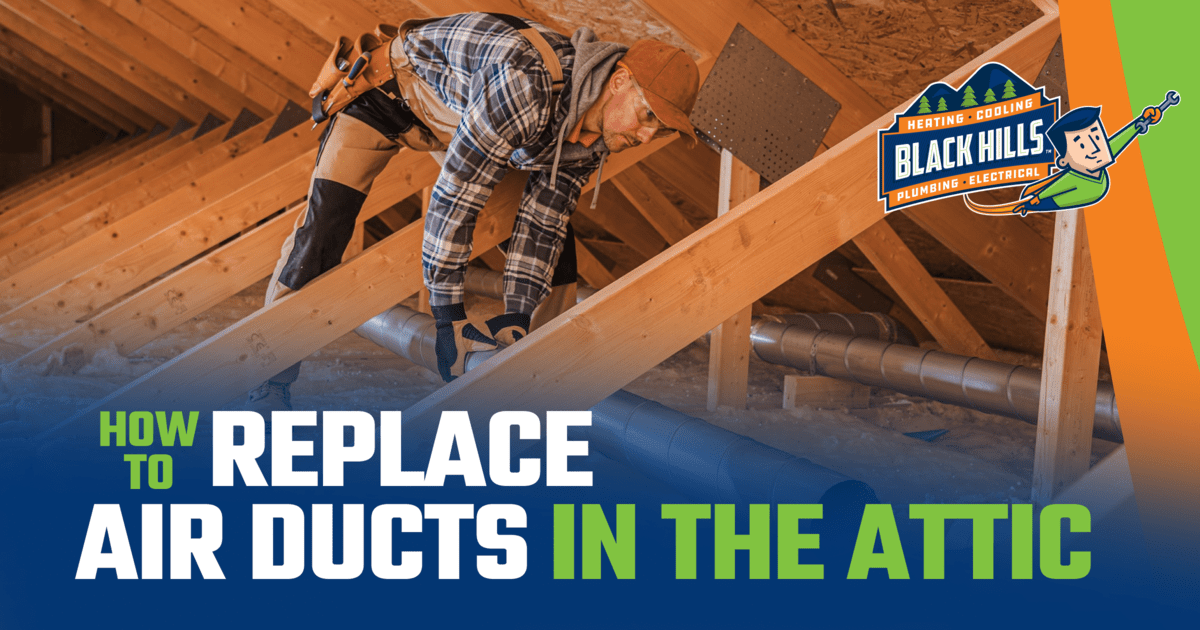
Most homeowners spend very little time thinking about the attic.
That space above the ceiling plays a major role in how a home handles heat, moisture, and airflow throughout the year. Without proper attic ventilation, heat and humidity become trapped where they do not belong.
In Pierce County, damp winters and mild summers create conditions where moisture buildup can become a problem long before homeowners realize it is happening.
Attic ventilation helps move excess heat and moisture out of the attic, protecting the home and reducing strain on heating and cooling equipment.
Schedule Online(360) 822-9659What Is Attic Ventilation?
Attic ventilation is the process of moving air through the attic space.
A properly designed system allows outside air to enter through intake vents and exit through exhaust vents. That airflow helps prevent heat and moisture from becoming trapped.
The goal is simple: keep the attic closer to outdoor conditions instead of allowing excess heat and humidity to build up.
Home attic ventilation works year-round, not just during summer.
Why Attic Ventilation Matters
During warmer weather, trapped heat can raise attic temperatures significantly. That heat transfers into the living space below and increases the workload on the cooling system.
During winter, moisture from daily activities such as cooking, bathing, and laundry can rise into the attic. Without proper airflow, that moisture collects on wood, insulation, and roofing materials.
Proper attic ventilation helps:
- Reduce strain on heating and cooling equipment
- Lower energy consumption
- Limit moisture buildup
- Reduce mold and mildew growth
- Protect roofing materials
- Reduce the risk of ice dams during freezing weather
Even in Western Washington, periods of freezing weather can create conditions that contribute to ice dam formation.
What Problems Are Caused by Poor Ventilation?
Poor airflow creates conditions that allow heat and moisture to accumulate.
That buildup can lead to:
- Excess attic heat
- Condensation
- Damp insulation
- Mold growth
- Wood deterioration
- Roof damage
- Reduced insulation performance
Wet insulation loses effectiveness. Moisture trapped against wood framing increases the likelihood of decay.
Over time, those conditions can affect multiple parts of the home rather than remaining limited to the attic.
How Does Attic Ventilation Improve Your Home?
Moving stale, humid air out of the attic helps maintain a healthier environment throughout the structure.
Ventilation helps remove moisture before it collects on framing, insulation, and roof decking.
It also allows excess heat to escape instead of accumulating beneath the roof.
These benefits support:
- Better attic conditions
- Improved insulation performance
- Reduced moisture problems
- Longer roof life
- More consistent indoor temperatures
For homeowners evaluating overall heating and cooling performance, Black Hills provides HVAC services throughout the Puget Sound region.
What Are Signs of Poor Attic Ventilation?
Many ventilation problems go unnoticed because the attic is rarely inspected.
Signs worth investigating include:
- Excessive attic heat
- Condensation on attic surfaces
- Damp or compressed insulation
- Visible mold growth
- Ice dams during winter
- Roof deterioration
- Persistent moisture issues
An attic inspection can help determine if ventilation improvements are needed.
Schedule service with Black Hills if you suspect heat or moisture buildup is affecting your attic.
Schedule Online(360) 822-9659Frequently Asked Questions
Attic ventilation creates airflow through the attic by allowing outside air to enter and exit through a combination of intake and exhaust vents. That movement helps remove heat and moisture.
Heat and humidity become trapped inside the attic. Over time, that can contribute to condensation, mold growth, insulation problems, and premature roof deterioration.