





Blog
What to Expect During a Home Generator Installation
Power outages are part of life in the Puget Sound region. Windstorms, falling trees, flooding, and winter weather can leave homes without electricity for hours or even days.
If you're considering a new generator, understanding the installation process can help you prepare for the project and know what to expect once work begins.
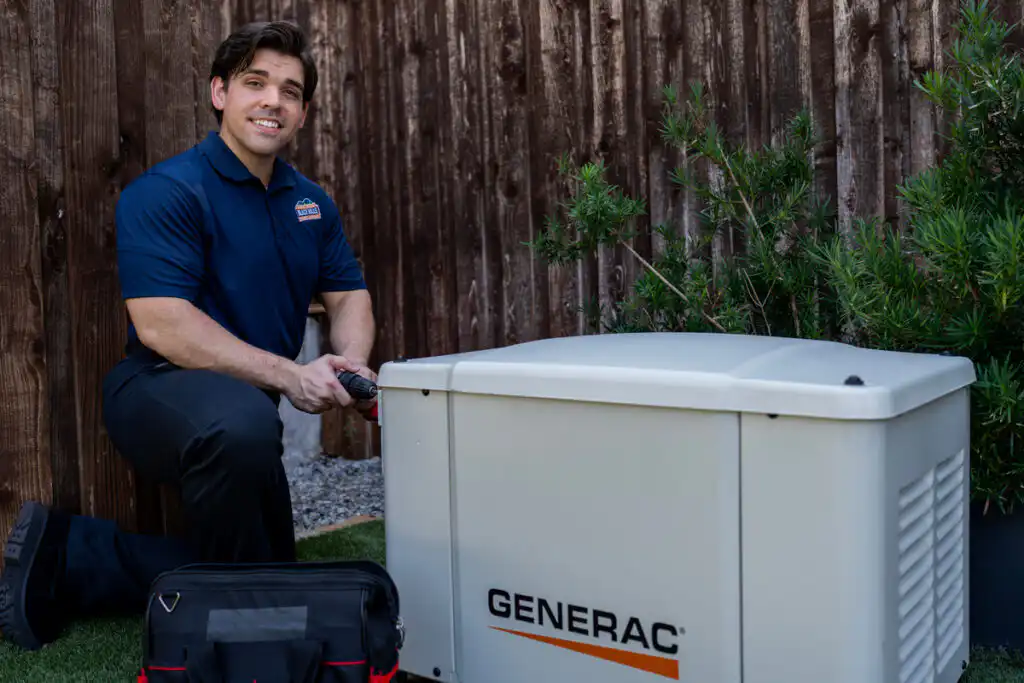
A professional home generator installation involves planning, permitting, electrical work, fuel connections, testing, and final inspections before the system is ready to operate.
Contact us for service
Why Should You Consider a Home Generator?
A standby generator automatically restores power when utility service goes down.
Many homeowners install backup power systems to keep essential equipment running during outages. Refrigerators stay running, sump pumps continue working, and critical appliances remain available when utility power is unavailable.
A generator can help protect the home itself. Power outages during freezing weather can increase the risk of frozen pipes. Homes with well systems can lose access to running water when electricity is unavailable.
Homeowners choose backup power for peace of mind. Knowing the lights, heating system, and other essential equipment can continue operating removes much of the uncertainty that comes with extended outages.
If you are exploring backup power options, learn more about whole home generators and the systems available for your home.
How Long Does Home Generator Installation Take?
Most residential generator installations take one to two days once permits, equipment, and site preparation are complete.
The timeline can vary depending on:
- Electrical upgrades
- Fuel source requirements
- Permit approvals
- Generator size
- Site accessibility
The consultation and planning phase takes longer than the physical installation itself.
Initial Consultation
Every whole-home generator installation process starts with evaluating the home's power needs.
Some homeowners want backup power for a few essential circuits. Others want coverage for the entire house.
During the consultation, technicians determine:
- How much power the home requires
- What size generator is needed
- Where the generator should be located
- Fuel source requirements
- Local permit and code requirements
Generator placement is important. The unit must meet clearance requirements while remaining accessible for maintenance and service.
Throughout King County and the greater Puget Sound region, installations must comply with local building and electrical codes before work can begin.
During Installation
The first step is preparing the location where the generator will sit.
A stable generator pad is installed to support the equipment and help protect it from shifting or settling over time.
Once the pad is ready, the generator is delivered and positioned.
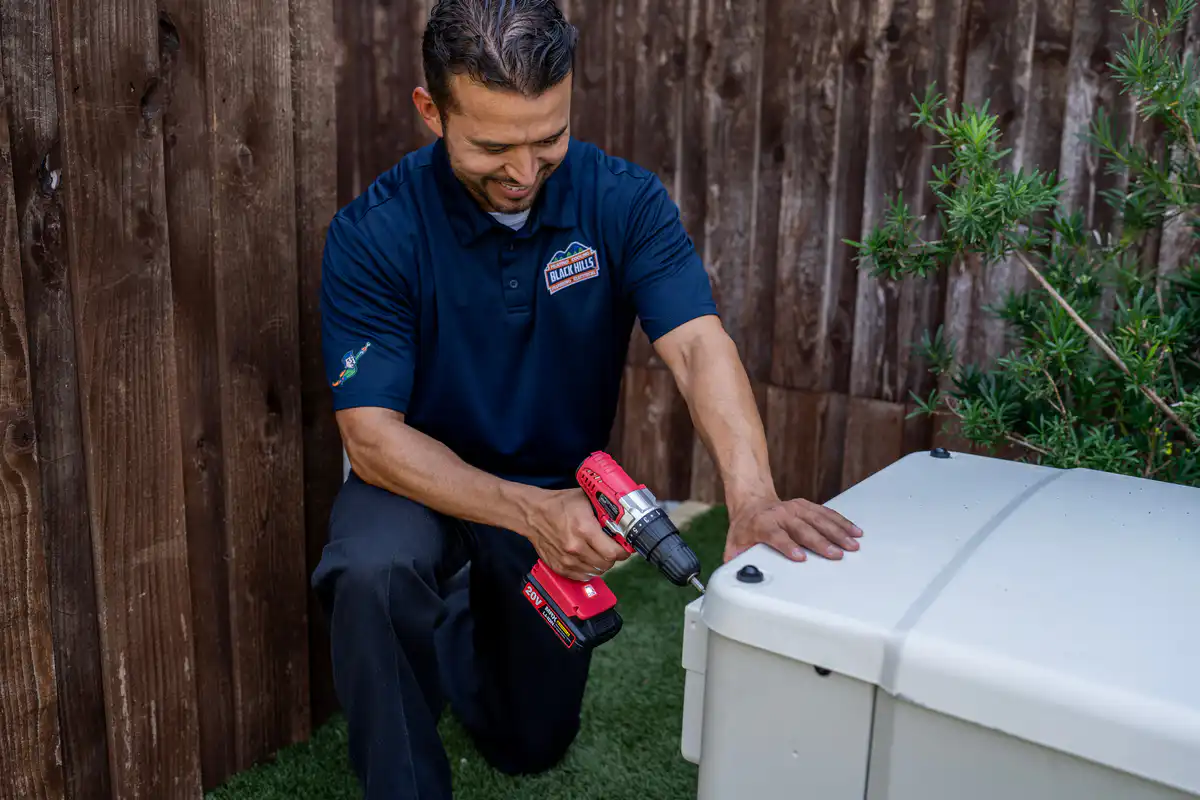
The installation team then completes:
- Electrical connections
- Transfer switch installation
- Fuel line connections
- System wiring
- Safety checks
The transfer switch is what allows the generator to automatically take over when utility power is lost.
Natural gas is the most common fuel source for standby generators in many King County communities, although some systems operate on propane.
After Installation
Once installation is complete, the system must be tested.
Technicians verify that the generator starts correctly, transfers power properly and responds during a simulated outage.
The homeowner is shown how the system operates and what maintenance requirements to expect.
Like any mechanical equipment, generators require routine service to remain dependable. Regular inspections help identify worn components, battery issues, fluid concerns, and other maintenance items before they affect operation.
Benefits of Professional Home Generator Installation
A standby generator is connected directly to the home's electrical system and fuel supply. Proper installation is critical.
Professional installation helps ensure:
- Safe electrical connections
- Correct generator sizing
- Code compliance
- Proper fuel connections
- Operation during outages
The whole home generator installation process involves multiple systems working together. Proper planning and installation help reduce the likelihood of future problems while ensuring the generator is ready when needed.
For homeowners considering backup power, professional home generator installation helps ensure the system is sized correctly and installed safely from the start.
Contact Black Hills for Generator Installation
A standby generator can provide backup power during storms, outages, and other unexpected interruptions.
Black Hills serves homeowners throughout King County, Pierce County, and the greater Puget Sound region.
Contact us to schedule a consultation and learn more about generator options for your home.
Schedule Online(360) 822-9659