





Blog
What Size Generator Does My Home Need
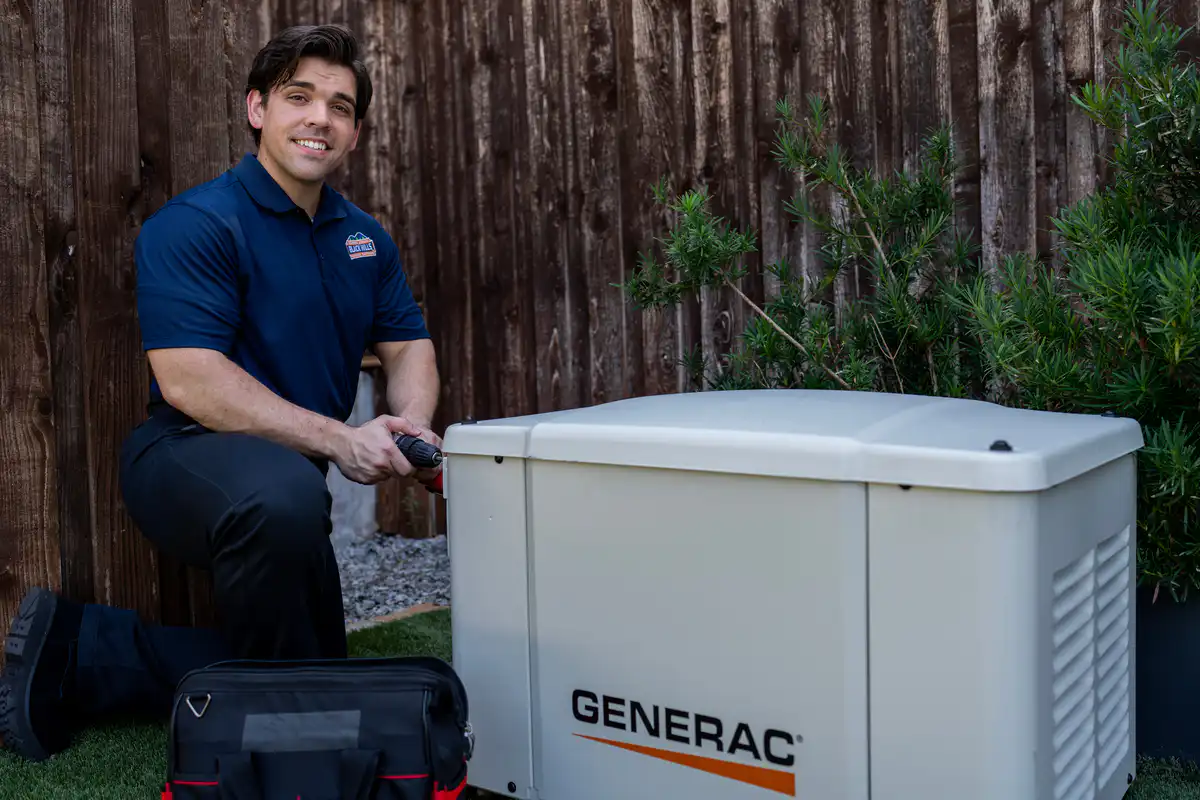
The first question we ask isn't how many square feet your house has. It's what you expect to keep running when the power goes out. Keeping your refrigerator, lights, and a few outlets powered requires a different electrical load than running your heating system, water heater, kitchen appliances, and the rest of the house.
If you want most of the house running during an outage, we size whole home generators around those electrical loads instead of choosing one from the square footage alone. Getting that calculation right keeps you from installing a generator that cannot carry the load or paying for capacity your backup plan does not require.
Schedule Online(360) 822-9659What Does Generator Size Mean?
Generator capacity is measured in watts or kilowatts. One kilowatt equals 1,000 watts, so a 10 kW generator has 10,000 watts of rated capacity.
The number that matters is not just how many watts your equipment uses while running. Refrigerators, pumps, HVAC blowers, air conditioners, and other equipment with motors draw extra power when they start.
That is why we look at both running watts and starting watts. If a generator carries the normal electrical load but cannot handle the brief demand when a larger motor starts, the system has not been sized correctly.
What Factors Determine the Right Generator Size?
We start with the equipment you want available during an outage. Some homeowners want the essentials covered, while others want most of the house to keep operating normally.
We look at:
- Appliances and equipment you want backed up
- Running wattage for those electrical loads
- Starting demand from equipment with motors
- Your home's electrical service
- Fuel available for the generator
- Essential-circuit backup versus whole-home coverage
Square footage gives us information about the house, but it does not tell us what will be running during an outage. Two Olympia homes of similar size can have very different electrical loads depending on their heating equipment, appliances, and backup priorities.
How to Calculate Your Home’s Generator Needs?
Start by making a list of what you want to keep running when utility power goes out. Separate the equipment you consider essential from loads you are willing to leave off until power returns.
Next, find the running wattage for those items. Refrigerators, pumps, blowers, and other motor-driven equipment need another check because their starting demand is higher than what they use after they are running.
Then think about which loads will operate at the same time. You do not want to size the generator around each appliance individually and miss what happens when several of them turn on together.
This gives you a useful starting point, but we perform the final load calculation before selecting equipment. In Tumwater homes, that means looking at the electrical system that is installed instead of choosing a generator from a general house-size chart.
Why Professional Generator Sizing and Installation Matter
Once we know the electrical load, we check your existing service and match the generator to the circuits and equipment you want available during an outage.
Generator installation starts with choosing the location, then connecting the electrical service, fuel supply, and automatic transfer equipment. We make sure the installation meets applicable requirements before putting the system into service.
The transfer switch moves your home from utility power to generator power when an outage occurs. Once the installation is complete, we test the system and confirm that the generator and transfer equipment operate together as planned.
Across Pierce County and the Greater Puget Sound area, windstorms and winter weather are exactly when that load calculation gets put to the test. When the power goes out, the generator is already sized around the circuits and equipment you chose to keep running.
If you're considering backup power and the peace of mind it brings, contact Black Hills. We'll go through what you want running, calculate the electrical load, and size the generator around your home before installation begins.
Contact Us for Service
Schedule Online(360) 822-9659Frequently Asked Questions
Start with the equipment you consider essential during an outage, then account for both running wattage and starting demand. HVAC equipment, pumps, refrigerators, and other motor-driven devices may require additional power when they start.
Square footage alone does not determine generator size. Two similarly sized homes can have very different electrical loads depending on their appliances, heating equipment, and backup priorities.