





Blog
Where Should a Home Generator Be Installed?

If you're adding a backup generator to your home, choosing the right location is one of the most important decisions you'll make. The best spot isn't always the closest open space.
A generator needs enough room for safe operation, proper airflow, and future maintenance while meeting local building codes and manufacturer requirements.
Throughout the Greater Puget Sound area, power outages can happen during windstorms and other severe weather. A properly planned home generator installation helps keep your backup power system ready when you need it most. In this guide, Black Hills explains what goes into selecting the right location for a residential generator.
Why Generator Location Matters
Safety Considerations
A generator produces exhaust that contains carbon monoxide, so it must be installed away from windows, doors, and other openings where fumes could enter your home. It also needs adequate space around the unit to allow heat to escape during operation.
Performance and Reliability
A generator needs steady airflow to operate properly. It should also be placed where technicians can easily access it for routine maintenance and repairs.
Compliance with Local Codes
Building codes, manufacturer recommendations, and utility requirements all affect where a generator can be installed. A professional installation helps ensure those requirements are met from the beginning.
Common Locations for Residential Generator Installation
Side Yard Installations
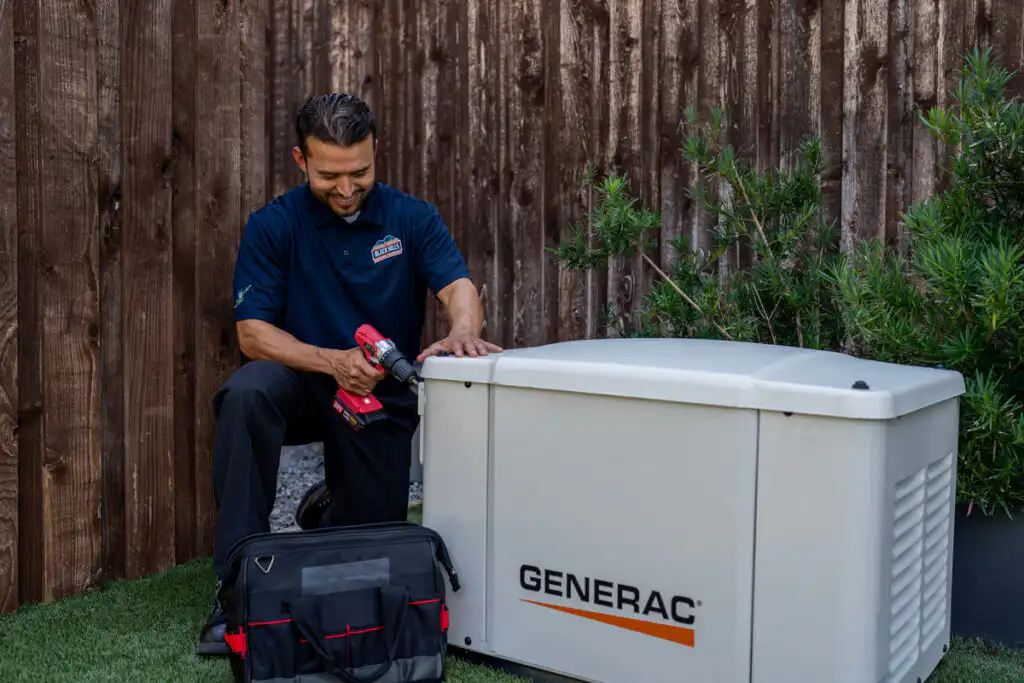
Many generators are installed beside the home because the area is convenient for utility connections while still providing room for service access.
Backyard Installations
Backyards can reduce the visibility of the generator from the street while still providing a safe location if there is enough clearance around the equipment.
Near Existing Utility Connections
Installing a generator closer to the electrical panel and natural gas or propane supply can simplify utility connections during generator installation.
Dedicated Equipment Areas
Some homes already have utility spaces where outdoor equipment is located. These areas can provide an organized location while maintaining proper clearances.
Factors That Influence Generator Placement
Fuel Source Availability
The location of your natural gas meter or propane tank plays a major role in determining where the generator can be installed.
Electrical System Access
The generator must connect safely to your home's electrical system through a transfer switch. Shorter wiring distances often make installation simpler.
Property Layout
Lot size, landscaping, property lines, and easements all influence where the equipment can safely be placed.
Local Climate Conditions
Generators should be installed where standing water, drifting snow, or heavy debris are less likely to interfere with operation. In Western Washington, drainage is an important part of selecting the right location.
Areas to Avoid When Installing a Generator
Near Windows and Doors
Generator exhaust should never be allowed to enter your home. Proper clearances protect your family from carbon monoxide exposure.
Under Decks or Overhangs
Covered areas can restrict airflow and trap heat around the generator, making them poor installation locations.
Flood-Prone Locations
Low spots that collect water during heavy rain can damage equipment and prevent the generator from operating when it's needed most.
Tight Enclosed Spaces
A generator requires open space for ventilation and enough room for future maintenance.
Areas with Heavy Snow or Debris Accumulation
Leaves, branches, snow, and other debris can block airflow around the unit and interfere with normal operation during severe weather.
Professional Generator Site Evaluation
Property Assessment
A technician evaluates your property, available space, and nearby utilities to determine the safest installation location.
Utility Coordination
Electrical and fuel connections are planned together, so the entire system works safely and reliably.
Safety and Compliance Review
The installation plan is reviewed to confirm it meets local codes and manufacturer recommendations.
Customized Placement Recommendations
Every property is different. The final recommendation balances safety, accessibility, appearance, and long-term reliability. This ensures your generator is ready when you need it.
If you've been researching how to install a home generator, the first step is choosing the right location. Black Hills provides complete generator services, including professional site evaluations and whole home generator installation designed for your property. Contact Black Hills today to schedule your generator consultation.
Schedule Online(360) 822-9659Frequently Asked Questions
The required distance depends on local building codes and the manufacturer's installation requirements. A professional site evaluation determines the proper location for your home.
It can, provided both pieces of equipment have the required clearance for airflow, maintenance, and safe operation.
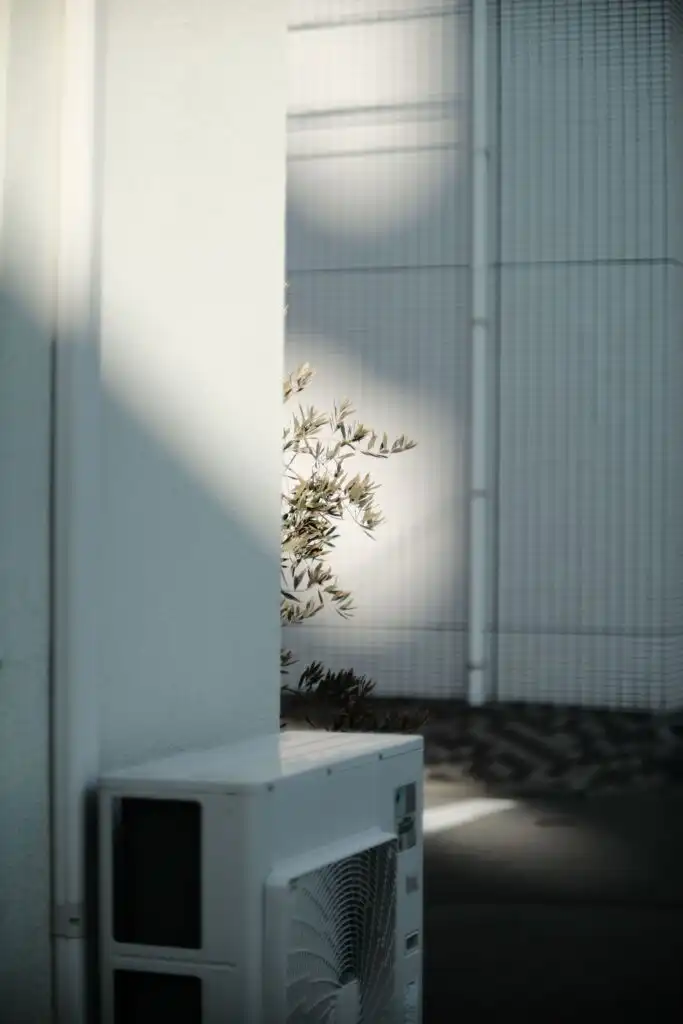
Yes. Shrubs or decorative screens can reduce visibility as long as they don't block airflow or limit access for service.
Residential generators are installed on a stable, level pad designed to support the equipment while allowing proper drainage beneath the unit.