





Blog
Why Won’t My Standby Generator Start During a Power Outage?
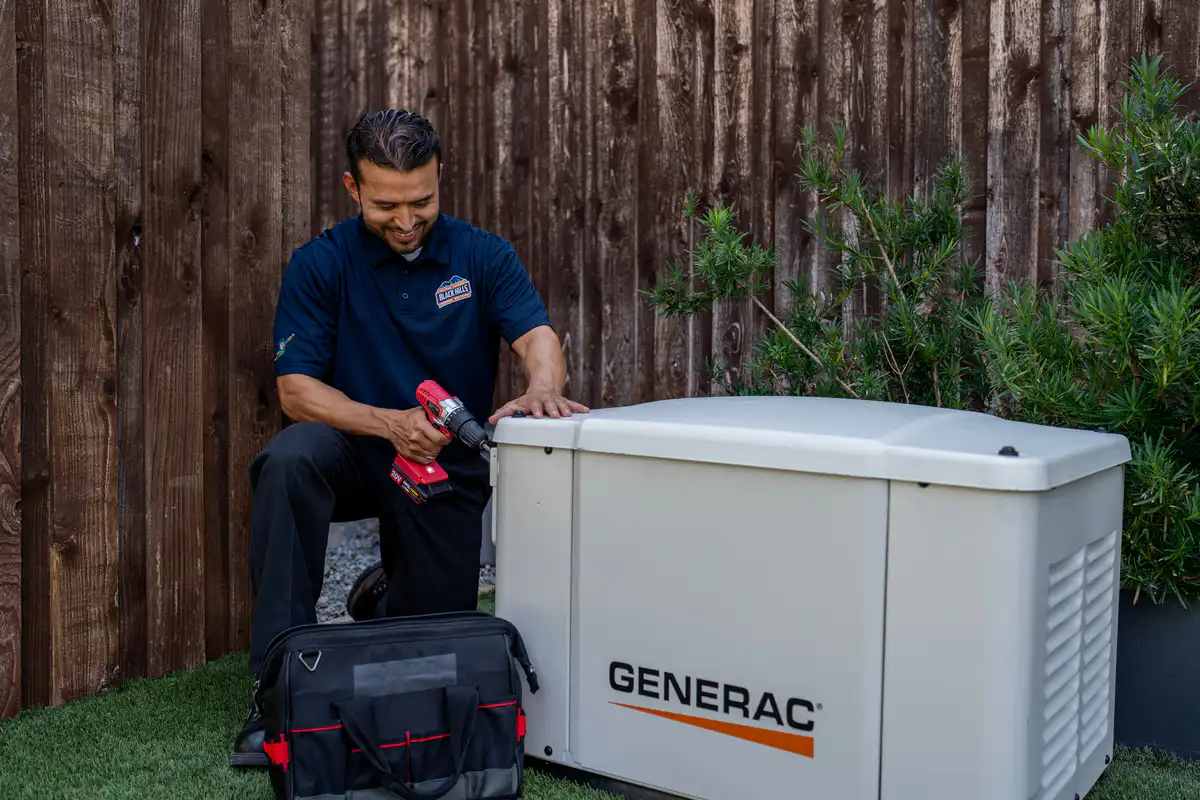
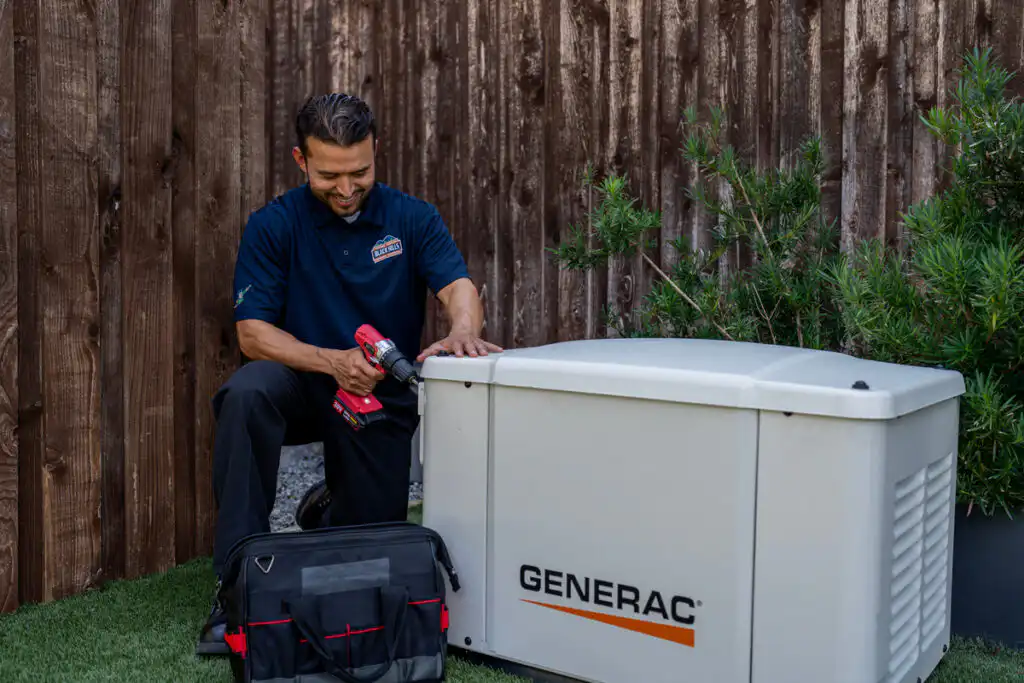
When the power goes out, your standby generator should start automatically and supply electricity to your home. If nothing happens, a weak battery, fuel problem, or fault in the controls could be keeping it from starting.
Sometimes the generator starts, but your house still has no power. That points us toward the equipment that transfers electricity to your home.
Black Hills helps Western Washington homeowners with standby generators that fail during outages, shut down unexpectedly, or stop supplying power.
How a Standby Generator Is Supposed to Start During an Outage
Your generator's automatic transfer system monitors utility power. When the power goes out, the generator receives a signal to start. Once it's running, the transfer equipment switches your home to generator power.
When utility power returns, the system switches back.
During generator installation, we make sure the automatic startup and transfer systems are set up and tested properly.
Common Reasons a Standby Generator May Not Start
If your generator won't start, the symptoms and any displayed warning codes help us narrow down the cause.
Weak or Failed Starting Battery
Your generator needs a battery to start its engine. If that battery is weak or dead, the engine won't start even with fuel available.
A technician can check the battery and charging system to identify the problem.
Fuel-Supply Problem
Natural gas and propane generators need a steady fuel supply. If fuel isn't reaching the engine properly, the generator can fail to start or stop shortly after starting.
Leave gas connections and fuel controls to a professional.
Generator Control or System Fault
Your generator has controls that monitor its operation. If something goes wrong, the system can display a warning or prevent the engine from starting.
Don't keep clearing error codes or overriding safety controls. The problem needs to be corrected before the generator runs again.
Automatic Transfer System Problem
If your generator runs but the lights stay off, the issue may involve the automatic transfer equipment or another part of the backup-power system.
This equipment switches your home between utility and generator power. An electrical inspection can identify problems that prevent that switch from happening.
Overdue Maintenance or Component Wear
Your generator spends long periods sitting idle. Batteries weaken, parts wear, and small problems can go unnoticed between outages.
Regular service gives technicians a chance to catch those problems before you need backup power.
What if the Generator Starts but Shuts Off Again?
A generator that starts and then stops could have a fuel problem, excessive electrical demand, or a fault that triggers its safety controls.
Those controls protect the equipment from damage. Repeatedly restarting it without correcting the problem risks further damage.
What Can a Homeowner Safely Check?
If your standby generator isn't starting, there are a few things you can check without working on the equipment.
- Confirm that utility power is actually out.
- Look for warning codes or status messages on the display.
- Review the owner's manual for information about those messages.
- Note if the generator tried to start, ran briefly, or did nothing.
Don't open panels, test batteries, adjust fuel connections, or bypass safety controls. Share what you observed when scheduling service.
Why Generator Problems Often Appear During the First Real Outage
Your generator could complete its regular exercise cycle without trouble, then fail during a power outage.
A short exercise doesn't always test the generator under the electrical demand of your home. Running for several hours can reveal fuel problems, worn components, or faults that weren't apparent during a brief test.
Why Routine Generator Service Matters
During professional maintenance, technicians check battery condition, inspect components, review system alerts, and test generator operation.
Black Hills provides generator services to help identify worn parts and operating problems before the next outage. Regular maintenance reduces the risk of unexpected failures, although no service schedule guarantees that equipment will never break down.
Standby Generator Problems During Western Washington Storms
Windstorms, falling trees, and winter weather can leave Puget Sound homes without electricity for extended periods.
Black Hills provides electrical services in Olympia and surrounding communities, including support for standby generators that fail when utility power goes out.
When to Call for Generator Repair
Call us for service if your generator won't start, repeatedly shuts down, displays unresolved faults, or makes unusual noises.
Black Hills' electrical services include checking equipment connected to your backup power system. Fuel, electrical, and transfer-system problems require professional repair.
If you smell gas, leave the area and contact your gas utility or emergency services from a safe location.
Schedule Generator Repair With Black Hills
Your standby generator needs to be ready before the next outage. If it failed to start or stopped supplying power, contact Black Hills. We'll check the system, explain the problem, and recommend the necessary repairs.
Schedule Online(360) 822-9659Frequently Asked Questions
A weak battery, fuel problem, control fault, or transfer-system failure can prevent automatic operation. A technician needs to check the equipment to identify the cause.
Yes. Your standby generator uses a battery to start its engine. If the battery fails, the engine won't start normally.
Fuel problems, excessive electrical demand, or safety-related faults can shut down a running generator. Have the problem checked before restarting it.
Follow the manufacturer's instructions for displayed alerts. Don't repeatedly reset an unresolved fault or bypass safety controls. Schedule professional service.
Yes. Maintenance helps identify weak batteries, worn components, and operating problems before an outage. It reduces the risk of failure but cannot prevent every breakdown.