







Hot water plays a central role in most homes, but it is usually something you don’t think about until it disappears. A tank that worked quietly for years can suddenly struggle, taking longer to heat or failing to keep up with daily routines. That shift becomes noticeable very quickly.
In Western Washington, where cooler temperatures and varying water conditions create unique demands on plumbing systems, water heater issues show up in several ways.
Black Hills responds with water heater repair focused on long-term reliability, accurate troubleshooting, and system knowledge built around local homes. The goal is simple: restore dependable hot water and protect the equipment that supports everyday comfort.
Schedule Online(360) 822-9659Common Signs of Issues
Most electric and gas water heaters begin showing small signs of trouble before failing completely. Some are obvious, while others are more subtle and appear gradually over time.
Common indicators include:
- Water that no longer reaches a stable temperature
- Hot water that runs out faster than expected
- Unusual noises such as popping or rumbling
- Discolored or cloudy hot water
- Moisture or damp spots near the base of the tank
- Hot water that develops a metallic odor
- Extended wait times for water to heat
If any of these changes stand out, it is usually a signal that the system needs attention. Identifying the cause early helps prevent larger issues, especially in homes with older plumbing or heavier hot-water use.
How Are Water Heaters Repaired?
Repairing a water heater begins with evaluating the system as a whole. A technician checks the heating components, safety controls, venting (for gas systems), electrical connections, and internal plumbing. This step-by-step approach helps isolate the problem instead of making assumptions.
Repairs for tank-style systems may involve tasks such as:
- Replacing worn heating elements
- Clearing sediment that accumulates inside the tank
- Inspecting or replacing the dip tube
- Adjusting thermostat or control settings
- Securing fittings or correcting loose connections
Tankless systems require different attention. Mineral buildup can limit flow. Sensors may need recalibration, or ventilation may need adjustment. These systems operate efficiently when maintained regularly, but they react quickly to changes in water quality or demand.
If you’re exploring system types or need more technical context, our water heater service and tankless water heaters resources offer additional guidance.
When to Repair vs. Replace?
Many water heater problems can be repaired, but some long-term conditions point toward replacement. Homeowners often ask when the right moment arrives, especially if the system has been reliable for years.
Replacement becomes worth considering when:
- The system is approaching the typical lifespan for its type
- Corrosion appears on or around the tank
- Leaks form at the base or near fittings
- Repairs become more frequent
- The heater struggles to keep up with household demand
- The energy use increases despite basic maintenance
A technician can explain what is happening inside the unit and whether repair will return it to stable performance. In some cases, replacement offers better consistency and a longer lifespan, especially where water quality affects durability.
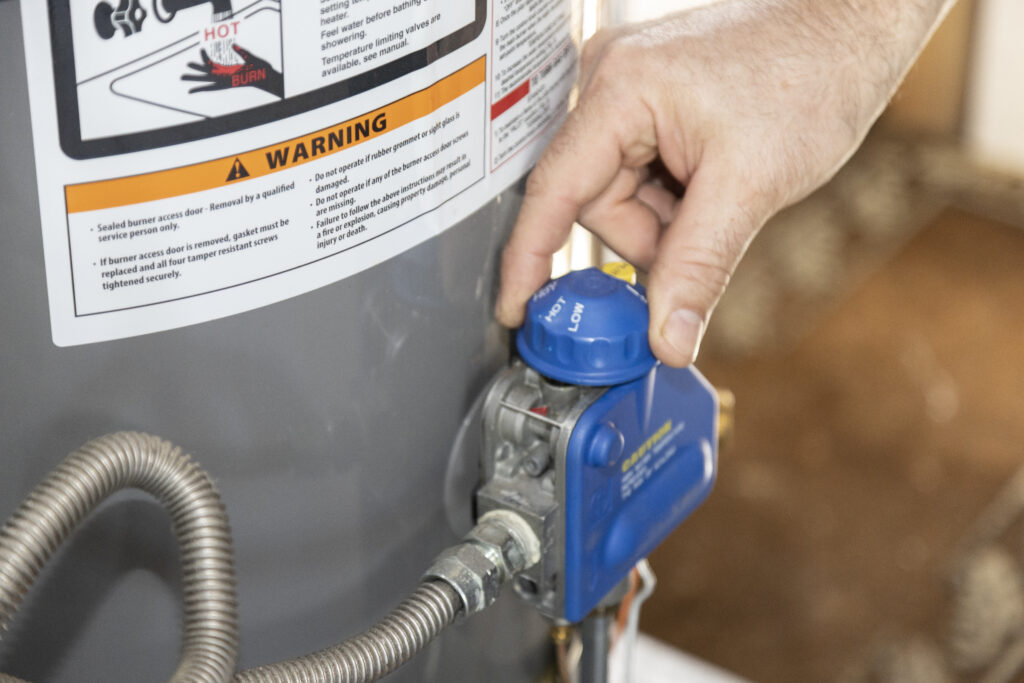
How Regular Maintenance Can Help
Routine maintenance supports safe operation and stronger system performance. Maintenance also helps extend lifespan, which is especially helpful for homes with harder water or older plumbing.
A maintenance visit may include:
- Flushing sediment
- Inspecting or replacing the anode rod
- Evaluating thermostat and control function
- Checking for secure connections
- Reviewing ventilation for gas systems
- Testing safety devices
These steps help prevent common failures and give homeowners a clearer picture of system condition year-round. Western Washington’s water characteristics shift from one community to another. Maintenance needs may vary slightly across regions.
Trust Black Hills with your water heater maintenance needs. We serve customers throughout Thurston, Mason, Cowlitz, Pierce, King, Kitsap, Lewis and Grays Harbor counties.
Schedule Online(360) 822-9659Frequently Asked Questions
Loss of hot water can come from heating element failure, thermostat issues, ignition problems, or sediment restricting heat transfer. A technician can confirm the cause and recommend the right repair.
Some leaks come from fittings and may be corrected. Leaks that originate from the tank body usually point to internal wear, and replacement is typically recommended.
These noises often come from sediment buildup. As water heats and moves through the sediment layer, trapped air pockets create sound.
Cloudiness can come from minerals, air bubbles, or sediment. A technician can help determine whether the cause is harmless or a sign of needed service.
Annual service is recommended for most systems, though homes with higher mineral content benefit from more frequent checks.






HVAC, Plumbing & Electrical Maintenance EXPERTS